If you run a small business agency, choosing the right CRM can feel overwhelming. You want something powerful but not overly complicated or expensive. GoHighLevel and Salesforce both offer strong options, but their approaches and costs couldn’t be more different. Understanding these differences can make or break your client management process. So, which platform truly fits your needs without draining your time or budget?
What Makes GoHighLevel Great for Small Agencies
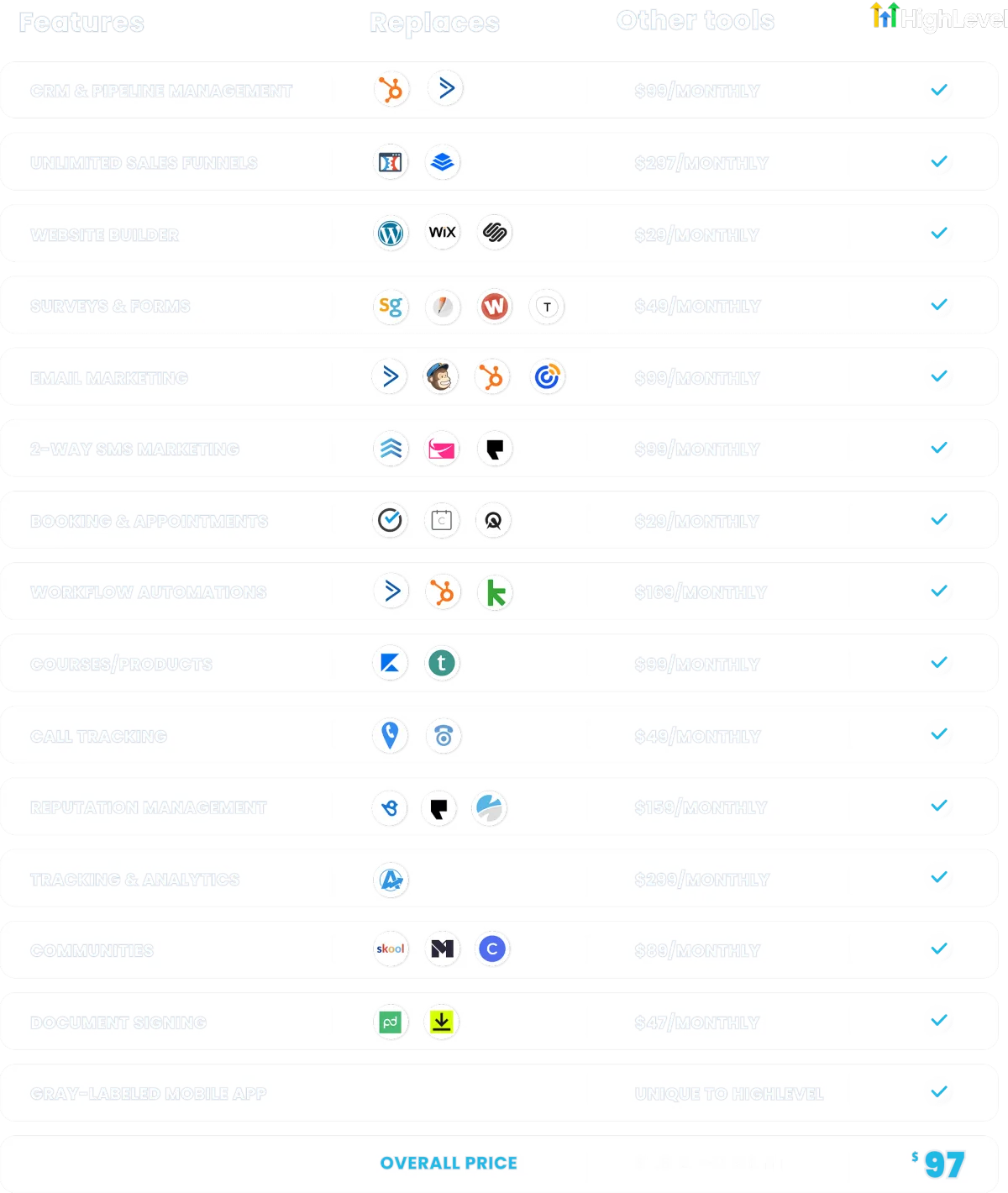
If you’re running a small agency, this tool streamlines your entire client management process without breaking the bank. As a crm for marketing automation, it offers all-in-one features starting at just $97 per month, a fraction of Salesforce’s $500 per user price. You’ll find it simple to set up and manage client accounts, with minimal training needed—new team members can get onboarded in under an hour. The platform integrates lead capturing, automated follow-ups, and appointment scheduling, eliminating the hassle of juggling multiple apps. Its advanced SMS functionality lets you send and receive messages on various platforms without expensive add-ons, saving you money on client communications. Plus, you’ve got access to 24/7 support and an active user community, helping you quickly resolve issues and refine your marketing strategies. This tool’s combination of affordability, efficiency, and extensive features makes it a strong choice for your agency’s CRM needs. Implementing automated email workflows within this platform can significantly increase personalization and drive better engagement with clients.
How Does Salesforce Work for Small Agencies?
Salesforce offers powerful features and extensive customization options that can handle complex workflows, but it might feel overwhelming if your team is small. You’ll find useful integrations through its AppExchange, though adding them can increase costs and setup time. Understanding how usable the platform is for your agency depends on balancing these capabilities with your budget and resources. It is important to regularly analyze performance metrics like open rates and click-through rates to optimize your marketing efforts using Salesforce’s tools and integrations for effective strategy adjustments.
Core Features Overview
While the platform offers robust CRM capabilities and advanced reporting tools, you might find its complexity and steep learning curve challenging without dedicated resources. Salesforce delivers powerful marketing automation, but it often requires additional services or third-party integrations for SMS and basic marketing functions, which may complicate things. Pricing can also be steep for small agencies. Here’s a concise overview of key features:
| Feature |
Description |
Small Agency Fit |
| CRM Capabilities |
Advanced customer management |
Powerful but complex |
| Reporting & Analytics |
Multi-object reports and forecasting dashboards |
Deep insights, might be overwhelming |
| Marketing Automation |
Email, limited SMS (requires add-ons) |
Functional but not fully integrated |
| Pricing |
Starts around $500/user/month |
Expensive for small teams |
For small agencies seeking simplicity and affordability, this tool may feel overly complex.
Usability for Small Teams
How well does a complex CRM platform fit into a small agency’s day-to-day? Salesforce offers powerful features and customization, but it often demands weeks of training, which might slow your team down. For small teams, this tool’s learning curve and high costs can feel overwhelming, especially when you need dedicated admins or IT support. While Salesforce can provide advanced analytics and territory management, the price and complexity may outweigh the benefits.
- Steep learning curve: 4-8 weeks for sales reps
- High implementation and ongoing costs per user
- Necessitates IT and CRM admin support
- Advanced reporting but less agile usability
If you want the best CRM with simpler marketing automation, this platform can be a challenge compared to more user-friendly alternatives.
Integration And Customization
Customization and integration play an essential role in shaping a CRM that truly fits your small agency’s needs. Salesforce offers powerful customization tools, letting you tailor workflows and features precisely, but it often requires technical expertise and a steep learning curve. With its AppExchange boasting over 5,000 apps, the platform supports extensive integrations to enhance your marketing automation platforms and overall efficiency. However, these benefits come at a cost—Salesforce’s complex setup and integrations can run from $30K to $60K, which might be tough for smaller budgets. Plus, ongoing expenses for added features and support add up. While Salesforce is robust, if you’re seeking an affordable, all-in-one option without intricate setups, the platform’s complexity may not be ideal compared to more streamlined CRMs designed for small agencies.
Which CRM and Pipeline Features Matter Most for Small Agencies?
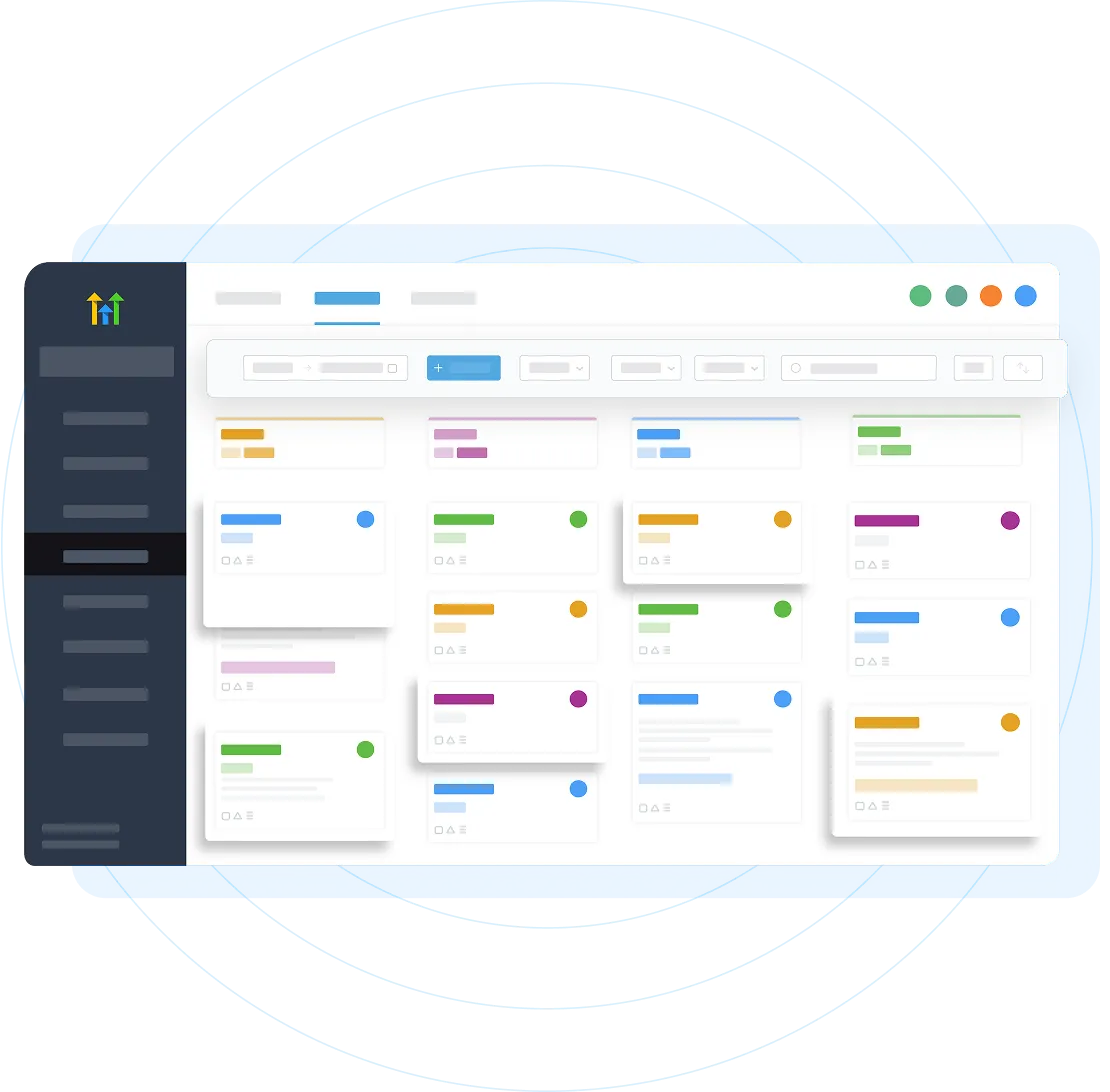
When choosing a CRM and pipeline tool, you need features that simplify your work without overwhelming your team. The best CRM with marketing automation should offer efficient client management without complex setups. This tool includes unlimited contacts, visual pipeline management, and integrated email and SMS marketing, making it ideal for small agencies. You’ll benefit from built-in lead capture, appointment scheduling, and automated follow-ups—all without juggling multiple platforms.
Key features to focus on include:
- Visual pipeline for easy tracking of leads and deals
- Integrated communication tools like email and SMS
- Automation for lead capture and follow-up campaigns
- Simple team collaboration with customizable permissions
Compared to platforms that require extra tools and complicated pricing, this software provides straightforward, flat-rate pricing and a no-code interface, helping your agency stay organized, save time, and grow efficiently. Leveraging automation tools can streamline routine processes and ensure consistent messaging across all customer interactions.
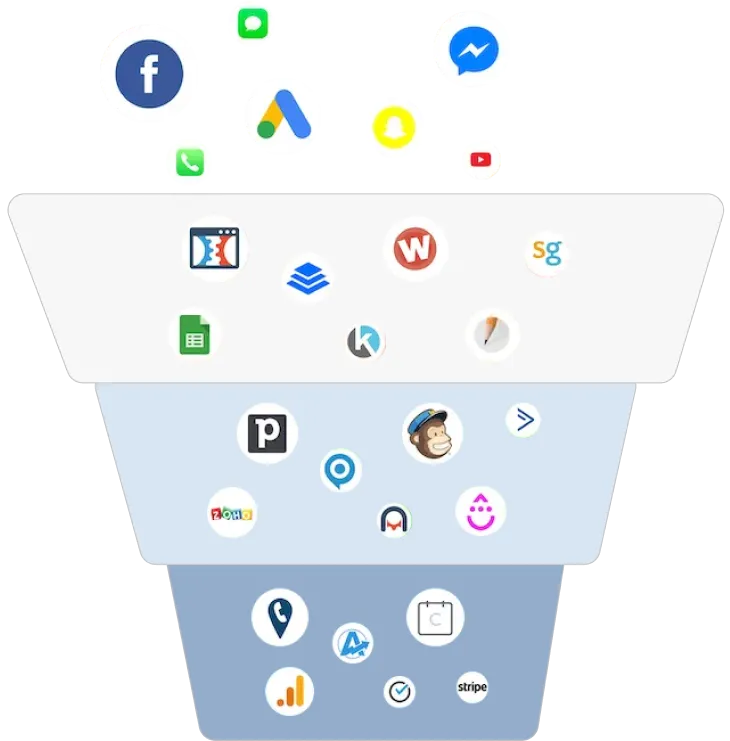
Why settle for marketing automation that complicates your workflow? If you’re running a small business agency, the platform offers an integrated suite of marketing automation software designed to streamline your efforts. It combines SMS messaging, email campaigns, automated appointment scheduling, and funnel creation all in one place, making it incredibly user-friendly. You won’t have to piece together multiple tools, which saves you both time and headache.
In contrast, Salesforce often requires costly third-party integrations to cover basic marketing needs like SMS messaging, with a steeper learning curve that can delay your automation setup. The software’s pricing can quickly add up, whereas this tool’s flat fee starting at $97/month includes all essential automation features. While Salesforce shines with advanced analytics—ideal for large enterprises—GHL focuses on operational metrics relevant to marketing agencies. If you want a marketing automation software that’s straightforward, cost-effective, and efficient for your small agency, this tool clearly performs better. Additionally, the system’s ability to deliver real-time tracking of campaign engagement helps optimize communication strategies effectively.
Comparing Email and SMS CRM Capabilities for Agencies
When you’re managing client communications, having seamless email automation paired with built-in SMS marketing can save you time and hassle. This tool combines multi-channel messaging in one place, so you don’t need extra integrations to keep your campaigns running smoothly. Compared to Salesforce, it offers a more straightforward, cost-effective approach that fits agencies relying on both email and text. Leveraging automated workflows can significantly enhance customer engagement and campaign efficiency for small business agencies.
Email Automation Features
Although many platforms offer email and SMS capabilities, the software you’re considering stands out by integrating both channels seamlessly into one tool. Its email automation features let you set up follow-up campaigns quickly, making lead nurturing and customer engagement effortless. Unlike others that require multiple integrations, this CRM automation software provides everything under one roof, reducing complexity and cost for your agency.
With this tool, you benefit from:
- Easy setup of automated email sequences
- Built-in multi-channel campaign management
- Two-way messaging support for better customer interaction
- Straightforward pricing without hidden integration fees
This streamlining makes managing your email and SMS marketing more efficient and cohesive, helping you focus on growing your business without juggling extra tools.
SMS Marketing Integration
Alongside email automation, integrating SMS marketing into your campaigns can boost engagement and response rates for your agency. The platform’s built-in SMS capabilities let you send and receive messages without juggling multiple tools, unlike Salesforce, which often needs extra services for basic SMS. This tool supports two-way messaging and automated SMS follow-ups, enhancing client interactions effortlessly. With sales automation software that combines email and SMS in one place, you save time and reduce costs. GoHighLevel’s SMS features are seamlessly integrated, making it easier to manage campaigns and track responses without third-party hassle. If you want a cost-effective, streamlined solution for both email and SMS marketing, the software offers a clear advantage over Salesforce for agencies prioritizing simplicity and efficiency.
One of the key advantages for agencies choosing between these platforms is how they handle multi-channel messaging. The platform offers built-in SMS and email marketing tools, making it a standout sales automation platform for agencies. This tool lets you seamlessly manage and automate both channels without extra software. In contrast, Salesforce often requires additional services for SMS, increasing complexity and cost.
Here’s why this software excels:
- Integrated SMS and email communication in one dashboard
- Automated follow-up campaigns for both channels
- Simplified setup with no need for third-party tools
- Enhanced lead nurturing through automated sequences
If you want streamlined messaging designed specifically for agencies, this sales automation platform is the smarter choice.
GoHighLevel and Salesforce Pricing Differences in 2026
Three main pricing factors set the platform apart from Salesforce in 2026: base cost, user fees, and implementation expenses. The software’s Starter plan begins at $97/month, offering small agencies affordable access to robust sales automation tools without hidden fees. In contrast, Salesforce’s pricing ranges widely—from about $25 to over $550 per user each month—making it costly as your team grows. Plus, Salesforce can tack on implementation costs exceeding $75,000, while this tool includes setup within its flat-rate fee.
You’ll appreciate that the platform lets you add unlimited users without skyrocketing costs, unlike Salesforce’s tiered model that quickly becomes expensive. For small business agencies, these differences mean substantial savings; annual costs for Salesforce can reach $150,000 to $500,000 for similar functionalities. So, if you want effective sales automation tools with predictable pricing, this CRM is a smart choice for budget-conscious agencies in 2026. Additionally, integrating behavior tracking technology enhances personalized customer engagement, proving especially valuable for small business agencies.
When Should Small Agencies Choose GoHighLevel?
If you need an all-in-one CRM solution that’s easy to set up and won’t break the bank, this tool is a strong choice for your agency. The platform shines when you’re looking for efficient sales and marketing automation without the steep pricing or complexity of enterprise-level systems. It’s especially suited if you want to onboard new team members quickly and manage multiple clients seamlessly.
Consider choosing it when you need:
- Cost-effective access starting at $97/month, far cheaper than Salesforce’s entry point
- Fast onboarding, training new users in under an hour
- Built-in tools for lead capture, SMS/email marketing, and appointment scheduling
- Unlimited users included with flat pricing, supporting team growth without surprise costs
This software simplifies workflows and streamlines automation, making it ideal if you want everything under one roof and predictable expenses as your agency scales. Additionally, a data-driven approach is integrated to help track performance and adapt marketing strategies effectively.
Key Limitations of GoHighLevel and Salesforce for Small Agencies
Although the platform offers many benefits for small agencies, it does have some limitations you should consider. The reporting capabilities may lack depth compared to Salesforce’s advanced analytics, which could hinder complex forecasting. Automated follow-up features in this tool might fall short if you need highly tailored segmentation, an area where Salesforce excels. On the other hand, Salesforce’s steep learning curve and long setup time can be overwhelming without dedicated IT help. Also, watch out for hidden charges in GHL’s flat pricing, which could raise your costs by 40-60%. Lastly, while marketing automation platforms differ, this software’s limited integrations might restrict your customization options. Regularly cleaning your email lists and maintaining email list hygiene is crucial to improve deliverability and engagement across platforms.
| Limitation |
GoHighLevel |
Salesforce |
| Reporting Depth |
Basic analytics |
Advanced analytics |
| Automation |
Limited customization |
Highly customizable |
| Learning Curve |
Easier to use |
Steep and complex |
| Pricing |
Flat + hidden fees |
Transparent but higher |
| Integrations |
Limited |
Extensive |
Frequently Asked Questions
What Is the Best CRM System for a Small Business?
The best CRM system for your small business is one that’s affordable, easy to use, and packed with features. You’ll want a platform that streamlines your marketing, sales funnels, and client management without confusing setup or high costs. This tool offers all-in-one functionality with flat pricing and quick onboarding, so you’ll save time and money. It’s designed to grow with your agency, making your everyday operations way simpler.
Which Is Better, Salesforce or Gohighlevel?
You’ll find the platform better suited for small business agencies because it’s more affordable and user-friendly. It offers unlimited users under one subscription, so you won’t get hit with per-user fees like you do with Salesforce. Plus, this tool simplifies onboarding and has built-in marketing automation without needing extra integrations. If you want an all-in-one solution that’s easy to use and cost-effective, this software is the smarter choice.
What’s Better Than Gohighlevel?
You might find alternatives like HubSpot better if you want flexible plans and a free tier to test features before committing. Zoho CRM’s advanced analytics and affordable per-user pricing can also be appealing for detailed reporting. If sales pipeline simplicity matters more, Pipedrive offers a user-friendly approach at a lower cost. Freshsales is great for AI-powered collaboration, while Agile CRM provides a budget-friendly option with useful marketing tools.
Which CRM Does Coca-Cola Use?
Coca-Cola uses Salesforce as their primary CRM. If you’re looking at how they manage massive customer data and complex processes, Salesforce offers powerful analytics and customization suitable for global enterprise needs. But if you’re running a small agency, this tool might feel overwhelming. The platform is excellent for large operations but might not be as user-friendly or affordable for smaller teams compared to more streamlined CRM options.
Start Your Free 30-Day Trial Today
Join 2 million+ businesses that replaced their fragmented tool stack with GoHighLevel. Full platform access, no contracts.
Claim Your 30-Day Deal →
Sign up through our exclusive link·Full access for 30 days·Cancel anytime